How Moonblink cut its Meta cost per purchase by 80%.
Moonblink paired its sleepwear with Bundle rewards and generated 401% more Meta-attributed purchases per ad dollar.
- Market
- Singapore, sleepwear
- Campaign
- 2 Sep – 3 Oct 2026
- Reward
- Up to 10 entries per order
- Compared with
- Earlier campaigns
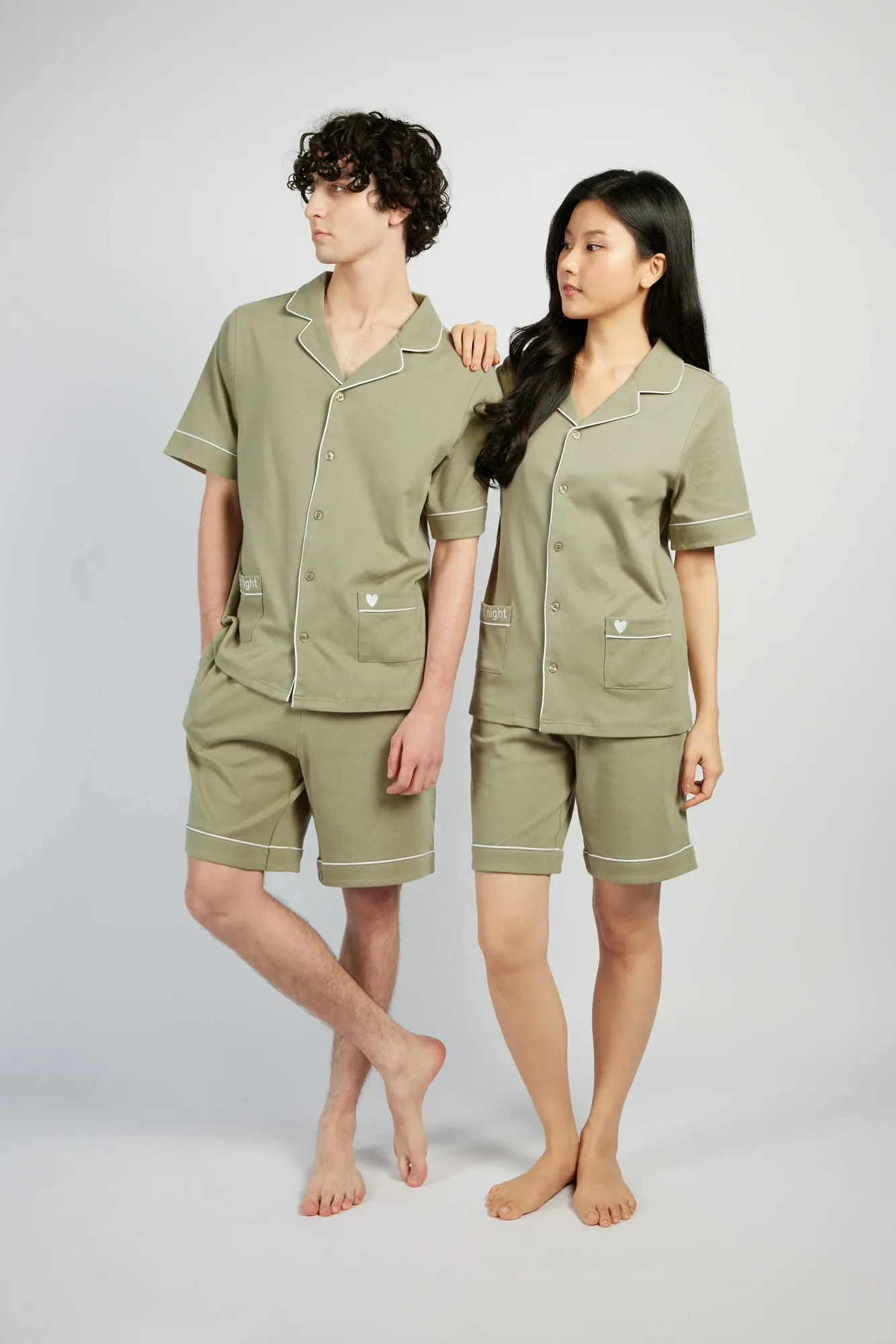
Moonblink sells sleepwear and loungewear for people who want to feel comfortable at home and still look put together. The Singapore label launched in late 2024 with soft, breathable bamboo-blend pieces suited to warm nights. Its range grew to include cotton for cooler rooms and smooth satin for a more draped fit, across pajama sets, robes and nightdresses. Explore the fabrics behind Moonblink's range.
For a young clothing brand, getting noticed is only part of the job. Moonblink wanted its marketing to turn interest in those products into sales. Its Rest & Reward campaign with Bundle gave shoppers an additional reason to place an order, then carried that offer into the Meta ads bringing people to the store.
Rest & Reward put a larger reward behind a sleepwear purchase
Bundle let Moonblink feature a $50,000 Top Reward alongside a pajama set without having to fund the entire reward itself. Participating brands contributed to one shared Reward Pool, and Moonblink customers earned entries through their eligible orders. The model gave a growing label access to a reward large enough to become part of its advertising message.
Moonblink chose spending tiers that made the basket relevant to the offer. An eligible purchase earned an entry, with more entries at higher order values. A shopper considering a robe to go with a set, or another set for their rotation, could see an additional benefit in buying them together.
Bundle helped bring the offer into Meta campaigns
Moonblink used product videos, carousels and still images to reach new shoppers and return to people who had already shown interest. The reward appeared alongside the sleepwear, giving the brand another message to bring into both prospecting and retargeting.
Bundle helped prepare ad variants and set up Meta campaigns for purchases, add-to-carts and engagement. Moonblink could use its own product creative while getting support with both the reward message and the campaigns that delivered it. That gave the team a practical way to take Rest & Reward beyond an offer on the store and into its customer acquisition activity.
For Moonblink, the commercial question was how much shopping activity that advertising produced. The team looked beyond the initial response to the ads and followed the results through carts, checkout starts and purchases attributed by Meta.
More shoppers reached checkout for each ad dollar
The campaign generated 140% more add-to-carts and 490% more checkout starts per advertising dollar than Moonblink's earlier purchase campaigns. Cost per checkout start fell 83%. The stronger efficiency continued as shoppers moved closer to placing an order.
Moonblink compared the Bundle campaign results through October 3 with three purchase campaigns from May to August. The comparison included the Bundle campaign group's sales and engagement spend, so the result reflected the advertising supporting the offer as a whole. Measuring actions per ad dollar made the budget's contribution clear at each stage of the shopping journey.
Cost per Meta-attributed purchase fell 80%
The improvement reached the purchase stage. Moonblink generated 401% more Meta-attributed purchases per ad dollar, bringing its cost per attributed purchase down 80%. For a brand focused on turning paid traffic into orders, that was the campaign's strongest commercial result.
For Moonblink, Bundle's contribution was both the incentive and help putting it in front of shoppers. The shared pool made a substantial reward available to the brand, and campaign support brought that offer into its advertising. The resulting campaign generated more shopping actions for its budget, with the clearest commercial payoff in the lower cost per attributed purchase.
Moonblink built its tiers around order value. Revit used pack sizes to encourage larger orders, showing how a brand can shape the same shared reward model around the way its customers buy.